How Many Pairs of Period Swimwear Do You Need for a Vacation?
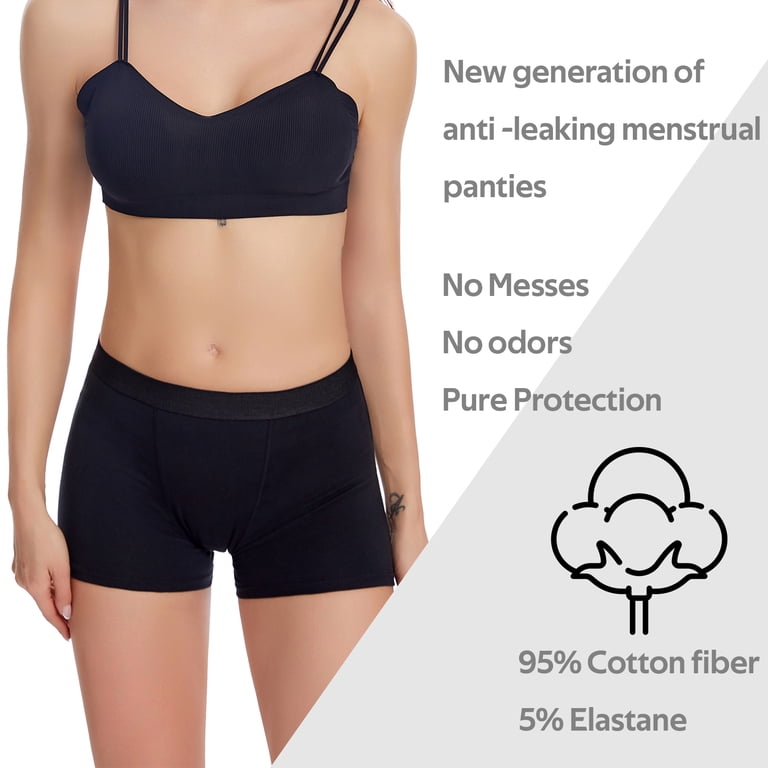
For most vacations, 2–3 pairs of period swimwear are enough. Two pairs suit light-to-moderate flow when you can wash and fully air-dry one pair while wearing the other; three pairs are better for daily swimming, humid weather, or heavier days. The NHS says periods commonly last 2–7 days, average about 5 days, and total menstrual blood loss is often around 20–90 mL. A 7-day beach trip overlapping with 4–5 period days therefore rarely requires 5 separate swimsuits. Pack 3 if swimming daily, 2 for occasional pool use, and 4 only when laundry access or drying time is limited for travelers.
The trip length alone is not a useful way to count pairs. Start with the number of days when menstruation and swimming overlap. A 10-day vacation with only 2 swimming days during a period may require fewer pairs than a 4-day resort stay with swimming every morning and afternoon. NHS guidance states that an established period commonly lasts 2–7 days, with bleeding often heaviest during the first 2 days.
That 2-day heavier-flow window deserves more packing room because wear time can change from one day to another. Period swimwear also varies by brand: gusset area, absorbent layers, waterproof barriers, fit, and intended flow level are not standardized across every product, so a label such as “moderate” should not be treated as a universal capacity measurement.
A simple rotation is usually more useful than packing one pair for every period day:
| Vacation use | Practical amount | Reason |
|---|---|---|
| One planned swim | 1 pair | No next-day rotation required |
| 2–3 swimming days | 2 pairs | One can dry while one is available |
| 4–7 daily swimming days | 3 pairs | Allows a clean, dry spare |
| Swimming twice daily | 3–4 pairs | More changes between water sessions |
| Poor laundry access | 3–4 pairs | Less dependence on same-day washing |
For a 2024 reference point, the CDC advises people using reusable period underwear to follow the individual product’s cleaning directions rather than applying one care method to every garment. The same approach matters with period swimwear because fabric blends, barrier layers, elastic and drying instructions differ between manufacturers.
Two pairs work well when the routine is predictable: swim, change, rinse or wash according to the care label, air-dry, then use the second pair the next day. The limitation is drying time. A swimsuit may feel dry at the waistband while a thicker layered gusset remains damp, particularly inside an air-conditioned hotel bathroom or in a humid coastal location.
Packing 2 pairs assumes the first pair can become fully clean and dry before you need it again. Packing 3 removes that assumption.
Three pairs are therefore more comfortable for a 5–7 day resort vacation. Pair A can be drying, Pair B can be worn, and Pair C remains unused if plans change. In 2022, Cleveland Clinic noted that reusable period underwear is commonly air-dried and that wear time depends on individual flow; although ordinary period underwear is not the same product as swimwear, the guidance shows why reusable menstrual garments should be managed around actual use and care instructions rather than a fixed all-day schedule.
Flow also changes the count. The NHS reports typical total menstrual blood loss of roughly 20–90 mL across an entire period, not per day, while the average period lasts about 5 days. That total is unevenly distributed, so someone who normally has heavier first and second days may prefer a spare pair available even when one swimsuit technically covers the planned swimming session.
For example, a traveler expecting a period from Monday through Friday could pack around the actual schedule rather than the calendar:
-
Monday, heavier day: Pair A
-
Tuesday, heavier day: Pair B
-
Wednesday: Pair C while A continues drying
-
Thursday: Pair A
-
Friday: Pair B or C
-
Saturday and Sunday: regular swimwear if bleeding has ended
That 3-pair rotation covers 5 period days without requiring 5 separate period swimsuits, provided every reused garment has been cleaned and fully dried according to its instructions.
A traveler with unusually heavy bleeding may need a different approach. ACOG describes bleeding lasting more than 7 days, or soaking through one or more pads or tampons every hour for several hours, as signs associated with heavy menstrual bleeding; about one-third of women seek treatment for heavy menstrual bleeding. Swimwear should not be used to compensate for bleeding that exceeds what a specific product is designed to manage.
Swimming frequency matters just as much as flow. One 40-minute pool session creates a very different clothing cycle from a day containing a morning ocean swim, a 2-hour snorkeling trip and an evening pool visit. Wearing wet swimwear for hours between activities is also unnecessary when a dry change is available.
A practical daily-use estimate can look like this:
| Water schedule | Period days during trip | Suggested pairs |
|---|---|---|
| Pool once during vacation | 1 | 1 |
| Swim once daily | 2–3 | 2 |
| Swim once daily | 4–5 | 3 |
| Swim twice daily | 4–5 | 3–4 |
| Water sports most of the day | 5–7 | 4 |
| Occasional swimming on a 14-day trip | 3–5 | 2–3 |
The 14-day example shows why vacation length should not automatically raise the number. If only 3 of those days involve swimming during menstruation and laundry is available, 2 pairs may still cover the trip. NHS information updated in the 2020s continues to describe a usual adult cycle range of about 21–35 days, so predicting an exact start date can still be imperfect even for someone whose periods are usually regular.
That uncertainty makes one spare more useful than several duplicate outfits. If a period arrives a day earlier than expected, the spare can cover the extra swimming day without adding much luggage volume. Bikini bottoms are particularly easy to rotate because 2–3 bottoms can be worn with the same one or two swim tops.
One-piece period swimsuits require slightly different planning. The entire torso section becomes wet, so there is more fabric to dry than with a bikini bottom. A traveler who prefers one-piece styles could carry 1 period one-piece plus 2 period bikini bottoms instead of 3 full one-piece suits, especially when baggage space is limited.
Fit should also be tested before departure. Water changes the way stretch fabrics sit against the body, and a leg opening or waistband that feels secure when dry may behave differently during swimming, diving or walking out of the sea. A home or local-pool trial during one menstrual cycle gives better information than relying only on the size chart.
The same test should include the heaviest expected day, not only a light day. Cleveland Clinic’s 2022 guidance for period underwear recommends trying a new product on a lighter-flow day while learning how it performs; for travel planning, repeating the test under conditions closer to actual use can show whether 2 pairs are realistic or whether 3 provides a better rotation.
Period swimwear should also be separated from ordinary leak proof underwear when packing. Garments designed for everyday menstrual or bladder leakage are not automatically made for pool or ocean use. Chlorinated water, salt water, extended immersion and swimming movement create a different use case, so only products specifically sold and instructed for swimming should be treated as swimwear.
A wet bag is useful when a cleaned garment cannot be dried before checkout. On a 2024 travel day, for example, an 8 a.m. swim followed by an 11 a.m. hotel checkout leaves only 3 hours for rinsing and drying. A small waterproof bag keeps the damp item away from dry clothing until it can be washed and aired properly at the next accommodation.
Laundry access can reduce the amount packed, but only when there is enough time for the complete wash-and-dry cycle. The CDC’s 2024 menstrual-hygiene guidance advises changing menstrual products regularly, keeping hands clean before and after handling them, and following manufacturer directions for reusable period underwear. Those habits are more useful than assuming one reusable garment can be worn indefinitely because it has not visibly leaked.
For 2–3 pairs to cover several days, the routine can stay simple:
-
Change out of the swimsuit after the water session when practical.
-
Follow its label for rinsing or washing.
-
Avoid adding laundry products the manufacturer tells you not to use.
-
Air-dry for the full recommended period.
-
Rewear only when the garment is clean and completely dry.
-
Keep one unused pair available during heavier days or long excursions.
A 7-day beach holiday with 5 expected period days and one swim per day is therefore well covered by about 3 pairs for many users. Someone swimming only twice may need 2, while a traveler doing 2 water sessions per day, staying somewhere humid and lacking reliable laundry access may reasonably carry 4. The number should increase because the wear-and-dry schedule requires it, not simply because the vacation contains more calendar days.